Poison Ivy Removal in Lancaster County, PA
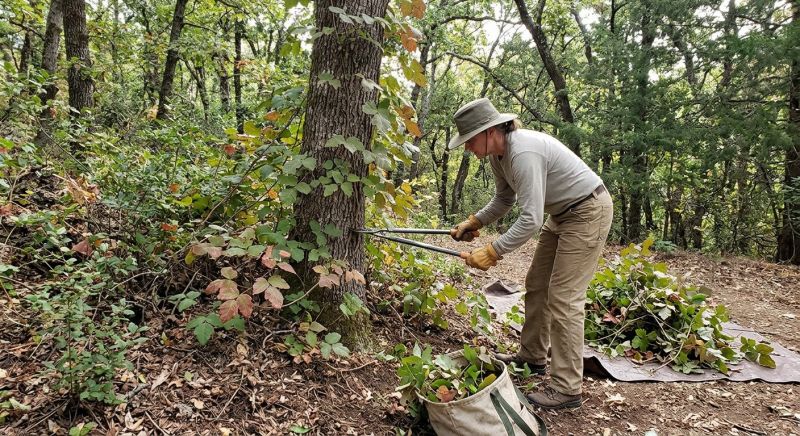
Poison ivy removal services are designed to safely eliminate this common plant from residential properties, helping homeowners maintain a safe and comfortable outdoor environment. These services typically cover projects such as clearing poison ivy from yards, gardens, fences, and trees, as well as managing overgrown areas where the plant has taken hold. Property owners often inquire about the best methods for removal, how to identify poison ivy, and whether the process can be completed without damaging surrounding plants or landscaping features.
Before requesting poison ivy removal, homeowners usually want to understand the scope of the work, including whether the plant will be completely eradicated and how the removal process might impact their property. It's also common to seek information about post-removal care to prevent regrowth and to ensure safety during the process, especially if the plant is located near play areas, walkways, or other frequently used outdoor spaces. Clear communication about these aspects can help property owners plan and prepare for a successful removal project.
Many property owners in Lancaster County, PA look into Poison Ivy Removal for repairs, replacements, upgrades, and appearance-related improvements.
Identifying Poison Ivy
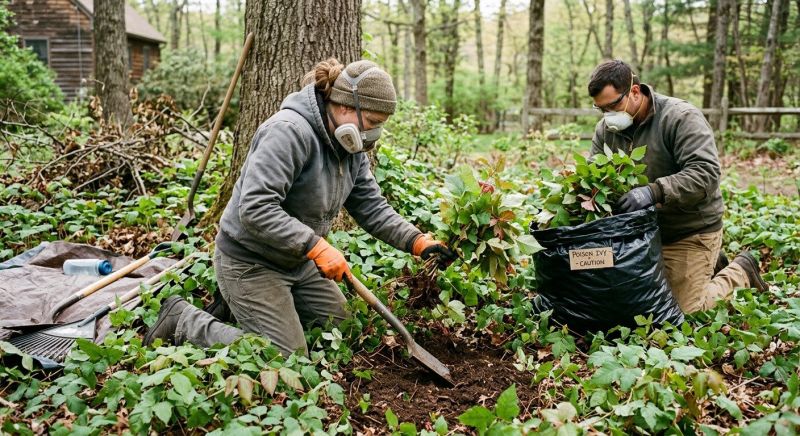
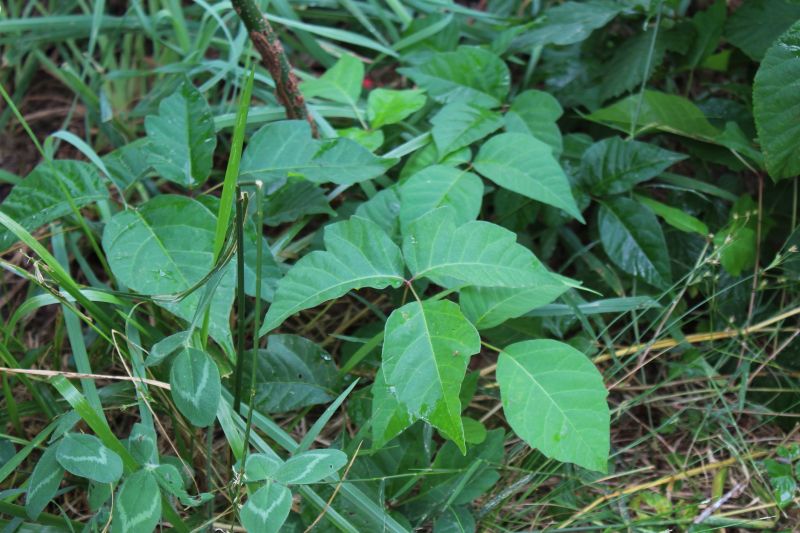
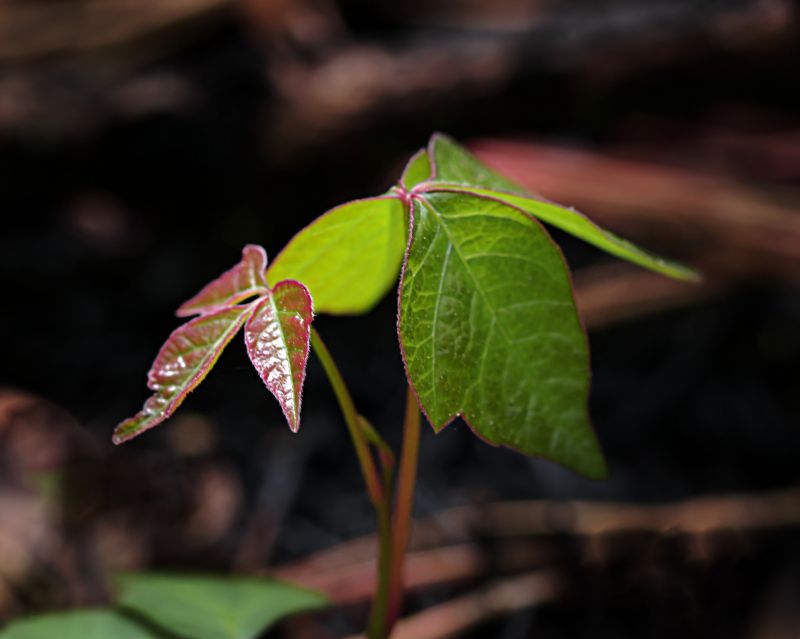
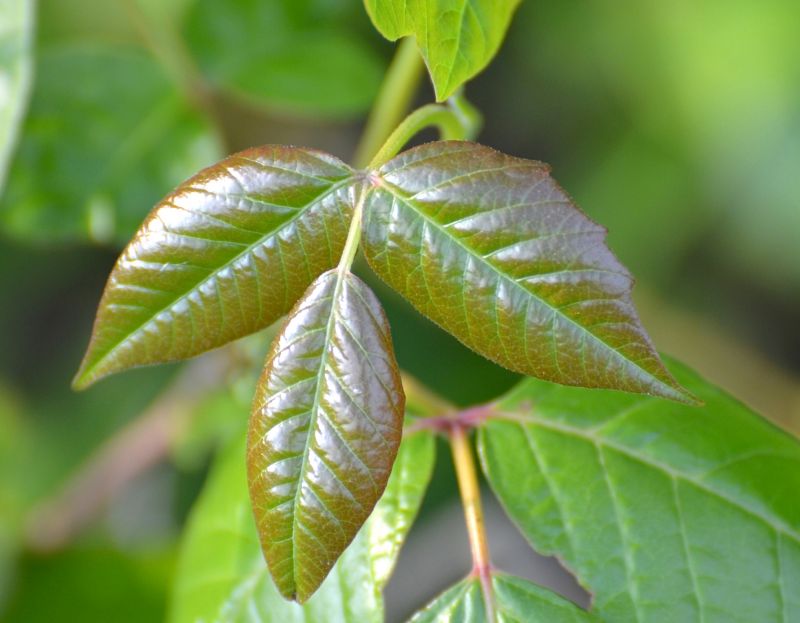
Recognizing the signs of poison ivy helps prevent skin irritation and plant spread around lancaster county properties.
Safe Removal Methods
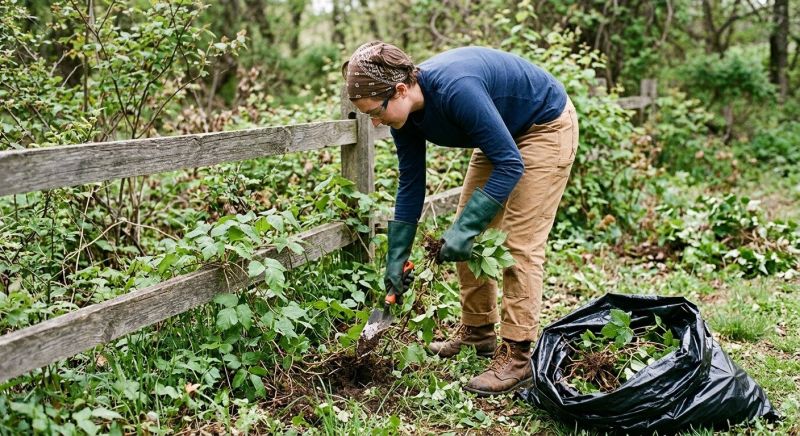
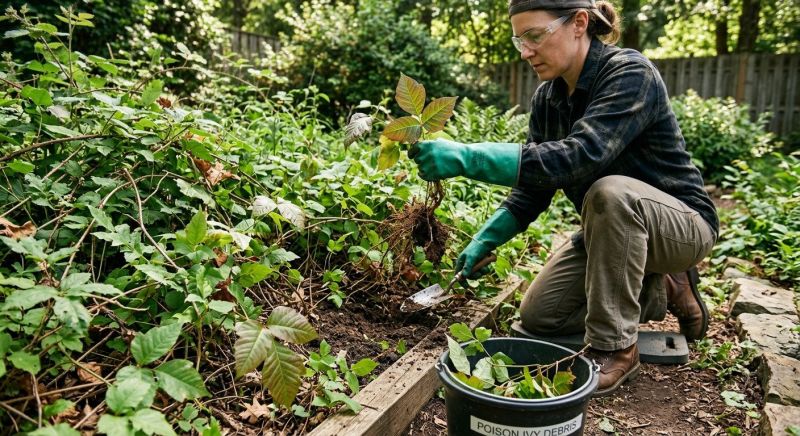
Proper techniques ensure complete removal of poison ivy without damaging surrounding plants or landscaping.
Preventative Maintenance
Regular inspections and removal help keep properties safe and free from poison ivy growth over time.
Poison Ivy Removal in Lancaster County, PA
Poison ivy removal services are designed to safely eliminate this common plant from residential properties, helping homeowners maintain a safe and comfortable outdoor environment. These services typically cover projects such as clearing poison ivy from yards, gardens, fences, and trees, as well as managing overgrown areas where the plant has taken hold. Property owners often inquire about the best methods for removal, how to identify poison ivy, and whether the process can be completed without damaging surrounding plants or landscaping features.
Before requesting poison ivy removal, homeowners usually want to understand the scope of the work, including whether the plant will be completely eradicated and how the removal process might impact their property. It's also common to seek information about post-removal care to prevent regrowth and to ensure safety during the process, especially if the plant is located near play areas, walkways, or other frequently used outdoor spaces. Clear communication about these aspects can help property owners plan and prepare for a successful removal project.
Many property owners in Lancaster County, PA look into Poison Ivy Removal for repairs, replacements, upgrades, and appearance-related improvements.
Common Poison Ivy Removal Jobs
Poison Ivy Removal - safely eliminates invasive plants from residential landscapes.
Yard Clearing - removes poison ivy from lawns, gardens, and wooded areas.
Property Maintenance - prevents regrowth with targeted ivy removal and control.
Brush and Shrub Clearing - clears overgrown areas infested with poison ivy.
Landscape Restoration - restores plant health after ivy removal to promote healthy growth.
Hazard Management - reduces skin irritation risks by removing poison ivy from high-traffic zones.
Poison Ivy Removal Questions
What is poison ivy removal? Poison ivy removal involves safely eliminating the plant from residential or commercial properties to prevent skin irritation and environmental spread.
When should poison ivy be removed? Removal is recommended when poison ivy is actively growing in areas accessible to people or pets, especially near walkways, yards, or play areas.
Are there safety concerns during removal? Yes, proper precautions should be taken to avoid contact with the plant’s urushiol oil, which can cause skin irritation or allergic reactions.
What types of projects typically require poison ivy removal? Projects include clearing overgrown yards, maintaining landscaped areas, and preparing land for construction or gardening.
Request Poison Ivy Removal in Lancaster County, PA
Use the quote form on this page to share the basics of your project and request more information for the type of work you need.