Get Toxic Plant Removal in Harford County, MD
Toxic plant removal services for Harford County property owners involve local contractors safely eliminating hazardous plants like poison ivy, oak, or sumac from yards, gardens, and construction sites.
Property owners in Harford County, MD, who are planning outdoor projects or simply looking to improve their landscape often consider the removal of toxic plants. Clearing these plants can enhance safety by reducing the risk of accidental poisoning or allergic reactions, especially for households with children or pets. Additionally, removing hazardous flora can promote healthier growth for desired plants and improve the overall appearance of the property. Exploring local contractors who specialize in plant removal can provide practical solutions tailored to the specific needs of the area.
Comparing available options among local service providers can help property owners find experienced contractors capable of handling toxic plant removal efficiently and effectively. Whether dealing with invasive species, overgrown vegetation, or hazardous plants, it’s important to choose professionals familiar with the common types found in Harford County. Continuing to read can offer insights into how these local experts can support planning efforts, ensuring a safe and attractive outdoor space.
- Toxic Plant Removal - needed when invasive or hazardous plants threaten safety or property value in neighborhoods across Harford County, MD.
- Hazardous Plant Disposal - required when plants like poison ivy or invasive species have grown out of control in residential yards or commercial landscapes.
- Plant Hazard Cleanup - necessary after storms or storms to eliminate toxic plants that could pose risks to families and pets.
- Invasive Species Removal - needed when non-native plants take over natural areas, impacting local ecosystems and property aesthetics.
- Vegetation Abatement - sought when overgrown plants create fire hazards or obstruct views in suburban communities and rural areas.
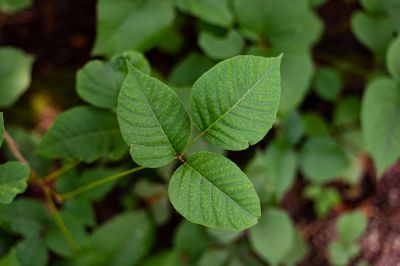
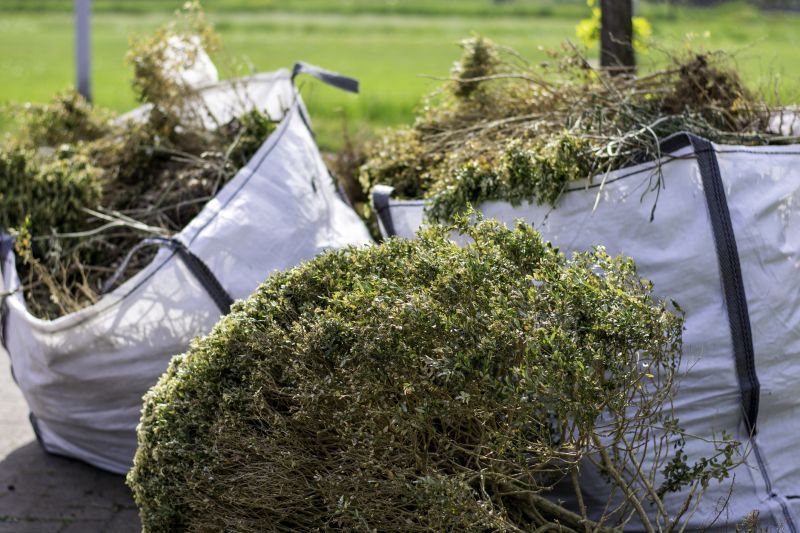
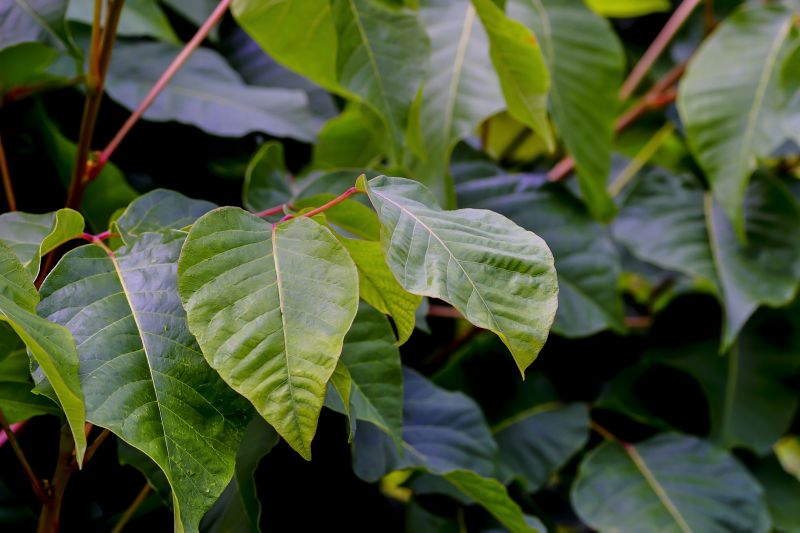
Toxic plant removal services involve the careful identification and safe elimination of plants that pose health risks or environmental hazards on residential properties. These services typically include assessing the landscape for plants known to contain harmful toxins, such as certain varieties of poison ivy, poison oak, or other invasive species that can cause skin irritation or allergic reactions. Once identified, trained contractors use specialized techniques and equipment to remove or carefully manage these plants, ensuring that the property remains safe for residents and visitors. This process often involves careful disposal of the toxic plants to prevent accidental contact or spread to neighboring areas.
Many property owners seek toxic plant removal to address specific problems that can impact health and safety. For example, homes with children or pets may require removal of hazardous plants to prevent accidental ingestion or contact. Additionally, properties experiencing frequent skin irritations or allergic reactions among residents may benefit from removing or managing toxic vegetation. Overgrown or invasive plants can also threaten native plant life and disturb the landscape’s balance, prompting property owners to seek professional removal services to restore safety and aesthetic appeal.
Toxic plant removal services are commonly used on a variety of property types, including single-family homes, farms, and small commercial properties. Residential properties with large yards or gardens often require these services to ensure a safe outdoor environment. Rural properties or those bordering wooded areas may have higher risks of encountering invasive or toxic plants, making professional removal especially valuable. Even properties undergoing landscaping or renovation projects might need to address hidden or overgrown toxic plants that could cause issues during construction or outdoor activities.
Engaging local contractors for toxic plant removal provides property owners with experienced professionals who understand the specific plants and conditions in the area. These service providers can evaluate the landscape, recommend appropriate removal strategies, and execute the work efficiently. Whether dealing with a small patch of poison ivy or an overgrown area of invasive species, having access to skilled local pros ensures that the problem is handled safely and effectively. This helps homeowners maintain a healthy, hazard-free outdoor space that is safe for family, pets, and visitors.
The overview below groups typical Toxic Plant Removal projects into broad ranges so you can see how smaller, mid-sized, and larger jobs often compare in Harford County, MD.
In many markets, a large share of routine jobs stays in the lower and middle ranges, while only a smaller percentage of projects moves into the highest bands when the work is more complex or site conditions are harder than average.
Small-Scale Removal - Typical costs for removing a few toxic plants from a residential yard range from $250 to $600. Many routine jobs fall within this middle range, depending on plant type and yard size.
Medium Projects - For larger areas or multiple plants, local contractors often charge between $600 and $1,500. Projects of this size are common when clearing moderate-sized landscapes or invasive species.
Large or Complex Jobs - Larger, more complex projects such as extensive overgrowth removal or difficult access can reach $1,500 to $3,000 or more. These tend to be less frequent but are necessary for extensive infestations.
Full Site Remediation - Complete removal and site cleanup for large properties or heavily infested areas can cost $3,000 to $5,000+ depending on scope. Such projects are less common but essential for thorough remediation.
Actual totals will depend on details like access to the work area, the scope of the project, and the materials selected, so use these as general starting points rather than exact figures.
Vegetation Removal - Local contractors experienced in removing invasive or overgrown plants can handle similar brush clearing and plant extraction tasks.
Land Clearing - Professionals who perform land clearing for construction or landscaping projects often have the skills to safely remove toxic or hazardous plants from outdoor areas.
Garden Debris Cleanup - Service providers skilled in debris removal can assist with clearing away plant waste and ensuring safe disposal of unwanted vegetation.
Stump Grinding and Removal - Companies that remove tree stumps are familiar with underground root systems and can handle plant removal that involves root extraction.
Hazardous Vegetation Removal - Experts who remove dangerous or diseased plants are equipped to handle toxic plants that pose safety risks.
Landscape Maintenance - Landscape service providers often perform invasive plant control and removal as part of ongoing garden and yard upkeep.
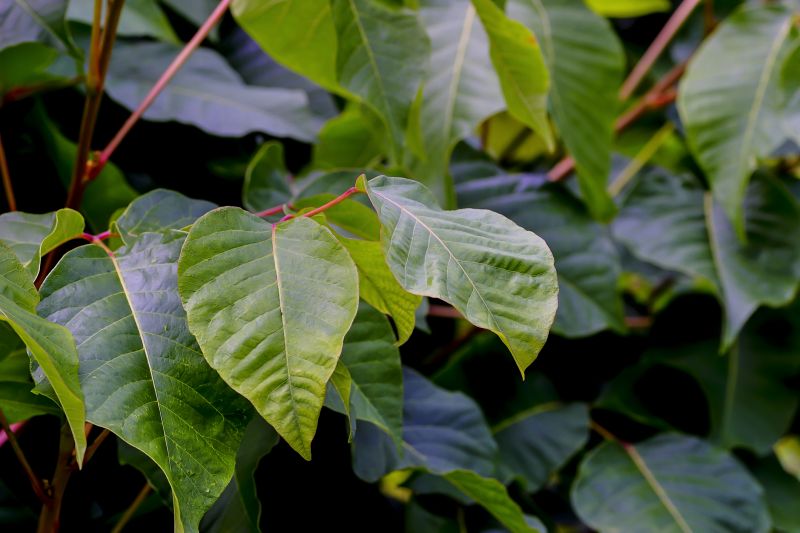
When evaluating service providers for toxic plant removal, it’s essential to consider their experience with similar projects. Homeowners should look for local contractors who have a proven track record handling plant removal tasks comparable in scope and complexity. Asking about previous work can provide insight into their familiarity with the specific challenges involved in removing toxic plants safely and effectively. This experience helps ensure that the contractor understands the proper techniques and safety precautions necessary for a successful and thorough removal process.
Clear, written expectations are a key factor in choosing a reliable service provider. Homeowners should seek out professionals who can provide detailed descriptions of their approach, including what the project entails, the steps involved, and any preparations needed. Having these expectations documented helps prevent misunderstandings and ensures that both parties are aligned on the scope of work. It also makes it easier to compare different local contractors based on the clarity and professionalism of their communication, fostering a smoother overall process.
Reputable references and effective communication are vital indicators of a trustworthy contractor. Pros who can provide references from previous clients or examples of completed projects can give homeowners confidence in their capabilities. Additionally, good communication-prompt responses, clear explanations, and willingness to address questions-helps build trust and ensures that homeowners stay informed throughout the project. Keep in mind that this site introduces homeowners to local service providers who can handle the work, rather than performing the work directly, making it important to assess each contractor’s reputation and communication skills independently.
Property owners in Harford County, MD use Toxic Plant Removal services for practical projects around their homes and businesses. This guide focuses on everyday jobs and straightforward project options.
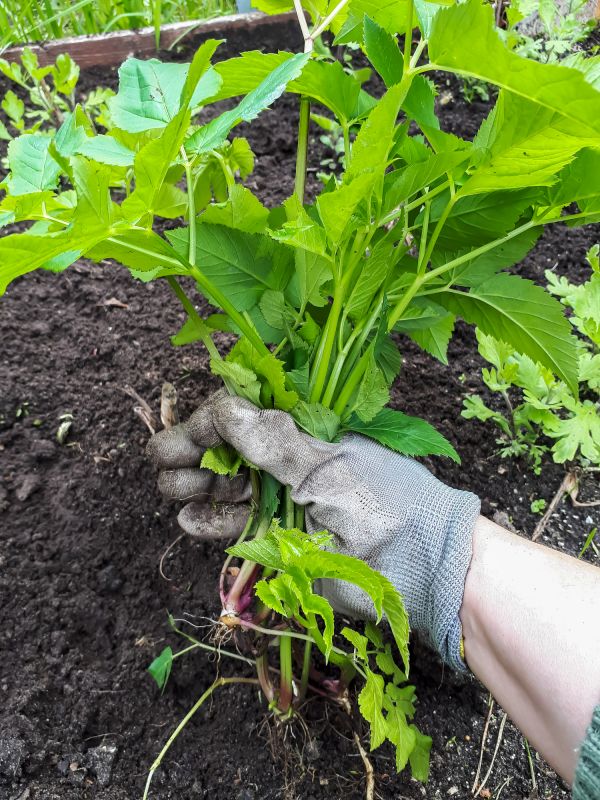
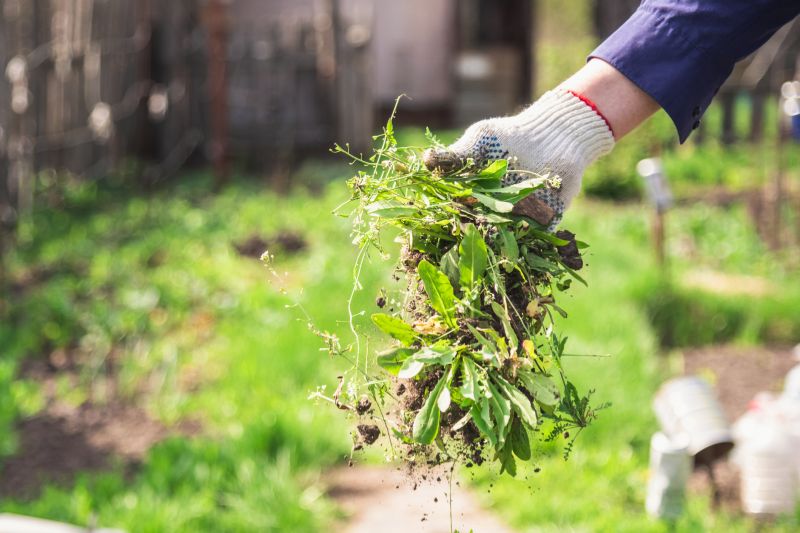
Property owners in Harford County, MD might seek toxic plant removal services when invasive or hazardous plants begin to overtake lawns, gardens, or wooded areas, creating an unsightly or unsafe environment. Overgrown poison ivy, poison oak, or other toxic vegetation can pose health risks for families, pets, and visitors, especially in outdoor spaces used for recreation or relaxation. Local contractors experienced in plant removal can help clear these hazards, making outdoor areas safer and more enjoyable for everyday use.
Additionally, property owners may look for toxic plant removal when planning landscaping projects, property cleanups, or land clearing efforts. Removing dangerous plants can be an important step before installing new landscaping features or preparing a yard for seasonal activities. Local service providers can efficiently handle these projects, helping to restore the safety and appearance of residential or commercial properties throughout Harford County.
What types of toxic plants can local contractors remove? They can handle a variety of toxic plants such as poison ivy, poison oak, poison sumac, and other invasive or harmful species present on residential or commercial properties.
How do local service providers typically remove toxic plants? They often use methods like manual removal, trimming, or applying safe herbicides to eliminate toxic plants while minimizing damage to surrounding landscaping.
Are toxic plant removal services suitable for residential properties? Yes, many local contractors offer toxic plant removal for residential yards, gardens, and outdoor spaces to ensure safety and compliance with local regulations.
What should be considered before hiring a contractor for toxic plant removal? It’s important to verify that the service provider has experience with toxic plants, uses proper safety procedures, and follows local guidelines for plant removal.
Can local pros handle removal of multiple or large toxic plants? Yes, experienced service providers can manage the removal of large or multiple toxic plants efficiently, ensuring thorough cleanup and safety.
Identify and Remove Toxic Plants - Property owners can have local contractors assess their yard for invasive or hazardous plants and safely remove them to improve safety and aesthetics.
Clear Overgrown Areas - Removing toxic or unwanted plants from overgrown sections of a garden or yard can create more usable outdoor space for activities or landscaping projects.
Prepare for Landscaping Projects - Clearing toxic plants can be a necessary step before planting new flowers, shrubs, or trees to ensure a healthy and safe environment.
Maintain a Safe Play Area - Removing hazardous plants around playgrounds or outdoor seating areas helps create a safer space for children and family gatherings.
If you are thinking about Toxic Plant Removal for a property in Harford County, MD, this guide is meant to help you understand the work, the typical project types, and how different options might fit your plans.
When you are ready, you can use the quote form on this page to share a few details about your project. From there, local pros can review the basics and respond with options that match what you have in mind.