Get Toxic Plant Removal in Lubbock, TX
Toxic plant removal services for property owners in Lubbock, TX, help eliminate dangerous plants like poison ivy, oak, or sumac from yards, gardens, and construction sites.
Property owners in Lubbock, TX, who are considering landscape improvements or managing outdoor safety may find it beneficial to explore professional toxic plant removal services. Removing hazardous plants can help prevent accidental poisoning, reduce the risk of injury, and improve the overall appearance of a property. Whether planning a garden update, clearing overgrown areas, or addressing specific concerns, understanding the options available locally can support informed decisions about maintaining a safe and attractive outdoor space.
Comparing local contractors who specialize in toxic plant removal can assist property owners in selecting the most suitable service providers for their needs. Engaging with experienced professionals ensures that the work is handled efficiently and effectively, tailored to the unique conditions of the Lubbock area. Continuing to explore available options can help property owners develop a clear plan for their outdoor projects, ensuring safety and aesthetic goals are achieved with trusted local expertise.
- Toxic Plant Removal - When invasive or hazardous plants threaten residential gardens or commercial landscapes in neighborhoods across Lubbock, TX.
- Hazardous Plant Disposal - If dangerous plants have become overgrown or pose risks to family, pets, or employees on properties in nearby areas.
- Invasive Species Clearing - When invasive or toxic plants take over natural areas or green spaces in neighborhoods throughout Lubbock, TX.
- Poisonous Plant Cleanup - During property renovations or landscaping projects where toxic plants need to be safely removed from yards or public spaces.
- Plant Hazard Assessment and Removal - When property owners suspect toxic plants are growing too close to structures or pathways in local communities.
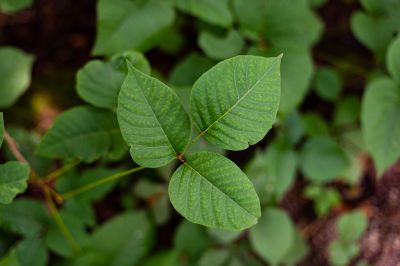
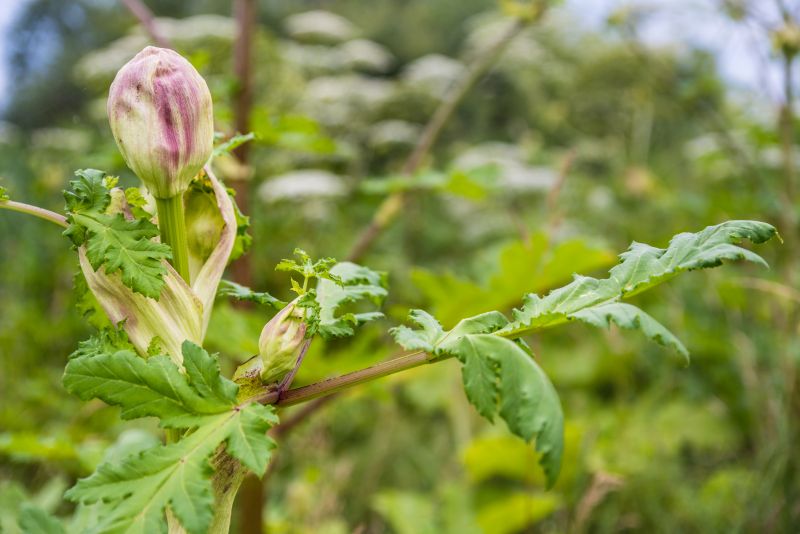
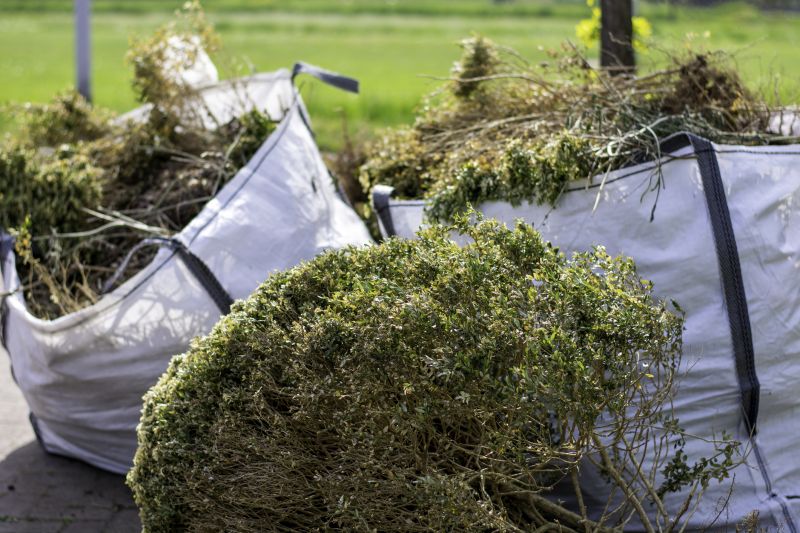
Toxic plant removal services involve the careful identification and safe elimination of plants that pose health risks to people and pets. Many properties may have plants like poison ivy, poison oak, or other hazardous species that can cause skin irritation, allergic reactions, or more serious health issues if touched or ingested. Service providers use specialized techniques and equipment to carefully remove these plants from yards, gardens, or outdoor spaces, ensuring that the toxins are properly contained and disposed of. This process helps create a safer environment, especially in areas where children or animals frequently play.
These services are often sought after when property owners notice symptoms of allergic reactions or skin irritations after contact with certain plants. Additionally, toxic plants can spread quickly and become difficult to manage without proper removal. Local contractors can assess outdoor spaces to identify any hazardous plant growth and recommend appropriate removal strategies. This is particularly important for properties experiencing overgrowth or where invasive toxic plants threaten the safety of residents and visitors alike.
Properties that typically use toxic plant removal services include residential homes, farms, and small commercial properties with outdoor spaces. Homes with yards that have been overgrown or neglected may develop hazardous plants that need to be cleared for safety reasons. Farms or rural properties often require removal of toxic plants to prevent animals from ingesting harmful species. Commercial properties with outdoor landscaping may also need these services to maintain a safe environment for employees and visitors. In all cases, professional removal helps ensure that toxic plants are handled efficiently and safely.
Homeowners who notice skin irritations, allergic reactions, or suspect the presence of hazardous plants in their yard should consider contacting local service providers for an assessment. Overgrown or invasive plants that are difficult to manage on your own can pose ongoing risks, making professional removal a practical solution. By working with experienced contractors, property owners can effectively eliminate toxic plants, reduce health hazards, and maintain a safer outdoor space. Connecting with local pros ensures that the work is handled with care and expertise tailored to the specific needs of properties in the area.
The overview below groups typical Toxic Plant Removal projects into broad ranges so you can see how smaller, mid-sized, and larger jobs often compare in Lubbock, TX.
In many markets, a large share of routine jobs stays in the lower and middle ranges, while only a smaller percentage of projects moves into the highest bands when the work is more complex or site conditions are harder than average.
Small-Scale Removal - Typical costs for removing a few toxic plants or small clusters range from $250 to $600. Many routine jobs in Lubbock fall within this range, depending on plant type and accessibility. Fewer projects reach the higher end of this spectrum.
Medium-Sized Projects - For larger areas or multiple plants requiring removal, local contractors often charge between $600 and $1,500. Most of these jobs are common and fall into this middle range, with some exceeding it for more complex cases.
Large or Complex Jobs - Extensive removal involving multiple sites or difficult access can cost $1,500 to $3,500 or more. Such projects are less frequent but necessary for properties with significant toxic plant infestations.
Full Replacement or Land Clearing - Complete removal and site clearing can range from $3,500 to over $5,000, especially for large properties or heavily infested areas. These higher costs are typical for comprehensive projects requiring extensive work by local service providers.
Actual totals will depend on details like access to the work area, the scope of the project, and the materials selected, so use these as general starting points rather than exact figures.
Vegetation Removal - local contractors experienced in removing overgrown plants and invasive species can apply similar techniques to eliminate toxic plants safely and efficiently.
Land Clearing - land clearing services involve planning and using specialized tools, which are also essential for safely removing hazardous or toxic flora from properties.
Garden Renovation - professionals in garden redesign often handle plant removal and site preparation, skills applicable to clearing toxic plants before replanting or landscaping.
Tree and Shrub Removal - tree removal experts have the expertise to safely remove large or hazardous plants, including those that may be toxic or invasive.
Weed Control and Removal - weed removal services involve identifying and removing unwanted plants, a process similar to toxic plant eradication requiring careful planning and tools.
Site Preparation - site prep specialists prepare land for construction or landscaping, often involving removal of unwanted or hazardous vegetation like toxic plants.
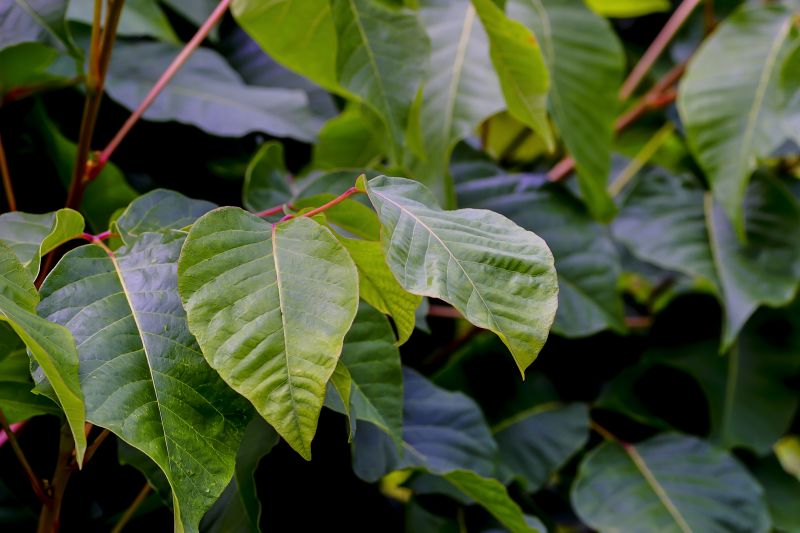
When evaluating service providers for toxic plant removal, it’s important to consider their experience with similar projects. Homeowners should look for local contractors who have a proven track record handling plant removal tasks comparable to the scope of their needs. This experience can indicate familiarity with the specific challenges involved, such as safely removing large or deeply rooted plants, and understanding the proper disposal methods. A contractor’s history with similar projects helps ensure they are equipped to handle the job efficiently and effectively.
Clear, written expectations are essential when comparing local contractors for toxic plant removal. Homeowners should seek providers who can offer detailed descriptions of their services, including the steps involved, safety precautions, and any preparations needed. Having this information in writing helps prevent misunderstandings and provides a reference point throughout the project. It’s also wise to verify that the contractor can accommodate specific concerns or requirements, ensuring the scope of work is well-defined and transparent.
Reputable references and strong communication are key factors in selecting a reliable service provider. Homeowners should ask for references from previous clients who had similar work done and follow up to learn about their experiences. Good communication from the contractor-such as responsiveness, clarity, and willingness to answer questions-can make the entire process smoother. Remember, this site is designed to introduce homeowners to local options, not to perform the work itself, so gathering information about each contractor’s reputation and communication style can help in making an informed decision.
Property owners in Lubbock, TX use Toxic Plant Removal services for practical projects around their homes and businesses. This guide focuses on everyday jobs and straightforward project options.
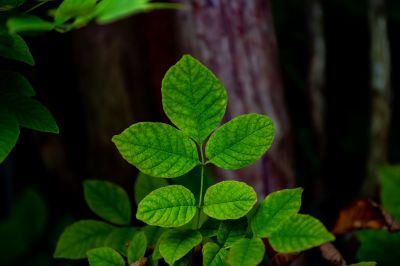
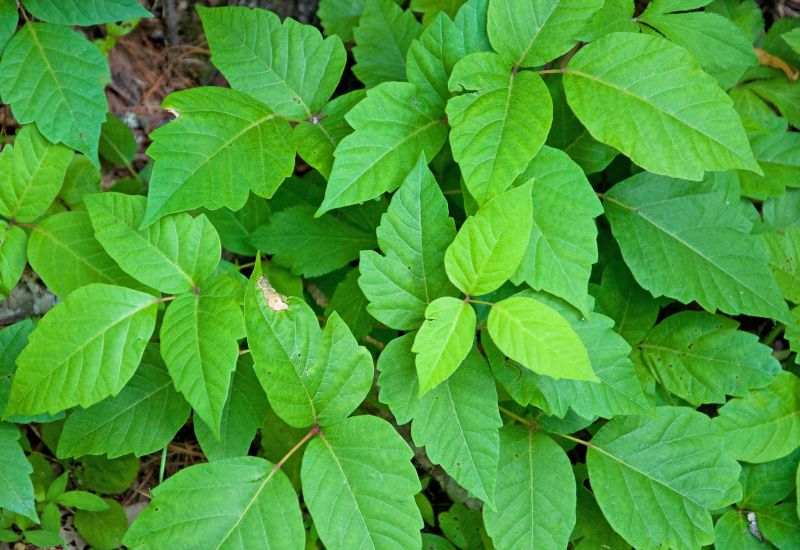
Property owners in Lubbock, TX may seek toxic plant removal services when invasive or hazardous plants start to take over lawns, gardens, or outdoor spaces. Overgrown poison ivy, poison oak, or other dangerous vegetation can pose health risks or make outdoor areas difficult to enjoy. Local contractors who specialize in plant removal can help clear these plants safely and effectively, restoring the beauty and safety of residential yards, commercial properties, or public spaces.
In addition, property owners might look for toxic plant removal when preparing land for new landscaping projects or clearing areas after storm damage. Removing toxic or unwanted plants can prevent future issues, such as spreading invasive species or creating hazards for children and pets. Service providers in the area are equipped to handle these situations, ensuring that outdoor environments are safe, clean, and ready for the next phase of landscaping or development.
What types of toxic plants can local contractors remove? Service providers in Lubbock, TX, can handle a variety of hazardous plants, including poison ivy, poison oak, and other invasive or toxic species that pose health risks.
How do local contractors typically remove toxic plants? They often use specialized tools and techniques such as manual removal, herbicide application, or root extraction to safely eliminate toxic plants from your property.
Are there any precautions to consider during toxic plant removal? It’s recommended to inform the service provider about any allergies or sensitivities, and to keep children and pets away from the area during and after removal until it's safe.
Can toxic plant removal help prevent future growth? Yes, professional removal often includes measures to prevent regrowth, such as root removal or applying treatments that inhibit the plant’s ability to re-establish.
How can I find local contractors for toxic plant removal? You can contact service providers in Lubbock, TX, through online directories or lead generation platforms that connect homeowners with experienced local specialists.
Yard Cleanup and Safety - Removing toxic plants can create a safer outdoor environment for children and pets playing in the yard. Local contractors can help clear hazardous vegetation from gardens and play areas.
Garden and Landscape Improvement - Clearing toxic plants allows property owners to redesign their gardens or add new landscaping features without health concerns. Service providers can assist with removing unwanted vegetation and preparing the area.
Property Maintenance and Prevention - Regular removal of invasive or toxic plants helps maintain a healthy, attractive landscape and prevents future growth issues. Local pros can establish ongoing maintenance plans tailored to the property’s needs.
Outdoor Living Space Enhancement - Clearing harmful plants can open up space for outdoor entertaining or relaxation areas. Local contractors can assist with safely removing plants and preparing the space for new features.
If you are thinking about Toxic Plant Removal for a property in Lubbock, TX, this guide is meant to help you understand the work, the typical project types, and how different options might fit your plans.
When you are ready, you can use the quote form on this page to share a few details about your project. From there, local pros can review the basics and respond with options that match what you have in mind.