Get Toxic Plant Removal in Montgomery County, PA
Toxic plant removal services help property owners in Montgomery County, PA, safely eliminate hazardous plants like poison ivy or oak from yards, gardens, and outdoor spaces.
Property owners in Montgomery County, PA, who are considering clearing out invasive or hazardous plants often look for reliable, experienced service providers to handle the work. Removing toxic plants can improve safety, enhance the appearance of outdoor spaces, and support better land management. Whether planning a landscape update, preparing for a property sale, or addressing safety concerns, exploring options for professional plant removal can help ensure the job is done effectively and responsibly.
There are many local contractors equipped to assist with toxic plant removal, allowing property owners to compare services and find solutions that meet their specific needs. By researching and connecting with experienced providers in the area, residents can make informed decisions about how to approach their projects. Continuing to explore available options can help ensure the right expertise is engaged for safe and thorough removal of problematic plants.
- Toxic Plant Removal - Necessary when invasive or hazardous plants threaten the safety or appearance of residential yards in Montgomery County neighborhoods.
- Hazardous Plant Clearance - Needed if dangerous plants like poison ivy or poison oak are growing near homes, walkways, or play areas.
- Overgrown Vegetation Cleanup - Suitable when neglected or overgrown plants pose a risk of spreading toxins or damaging property structures.
- Invasive Species Removal - Recommended for controlling non-native plants that can harm local ecosystems and threaten native flora.
- Vegetation Abatement - Required when excessive or toxic plant growth obstructs visibility or access around properties in nearby communities.
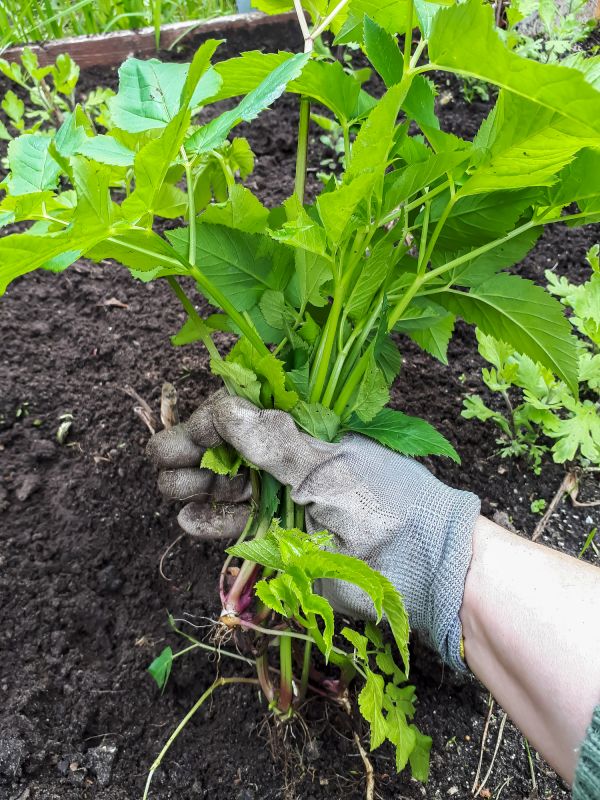
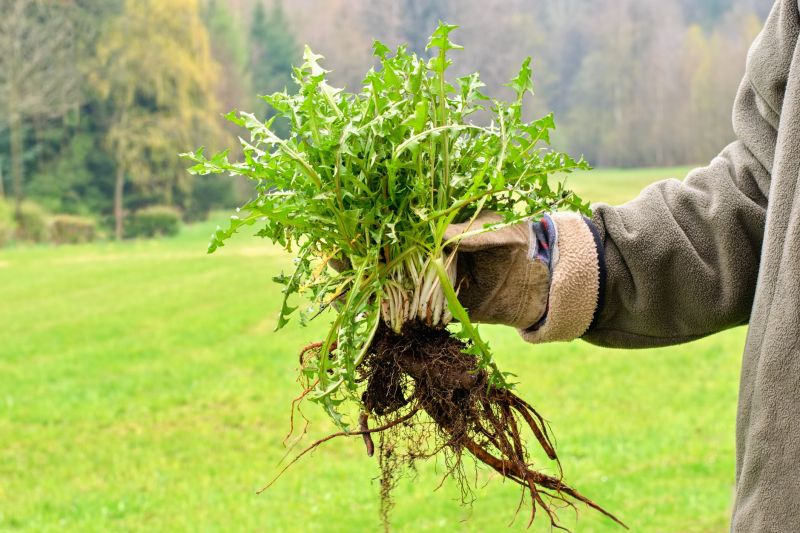
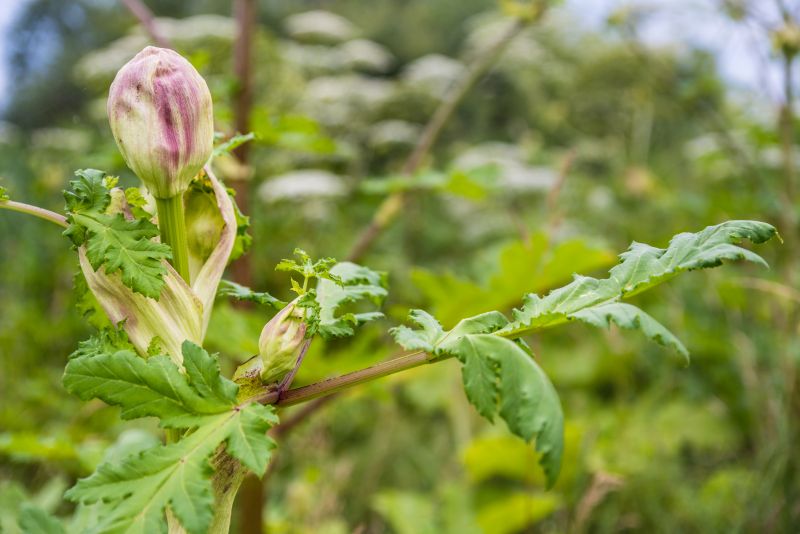
Toxic plant removal services involve the careful identification and safe elimination of hazardous plants from residential properties. These services are performed by experienced contractors who understand how to handle a variety of toxic species, ensuring that the removal process is thorough and safe for everyone on the property. The work typically includes assessing the landscape to locate harmful plants, carefully removing them without disturbing surrounding vegetation, and properly disposing of the plants to prevent any risk of poisoning. This service is essential for homeowners who want to maintain a safe outdoor environment and prevent accidental exposure to dangerous plants.
Many problems can be addressed through professional toxic plant removal. These include the presence of plants that are poisonous to children or pets, invasive species that threaten native plant life, or plants that pose a risk of causing allergic reactions or skin irritations. Removing these plants can help reduce the risk of accidental poisoning or allergic reactions, and it can also improve the overall health and appearance of the landscape. For properties that have experienced previous issues with toxic plants or where such plants are growing unchecked, professional removal provides a reliable solution to restore safety and peace of mind.
Toxic plant removal services are often used on a variety of property types, including single-family homes, suburban yards, and larger residential estates. These services may also be needed on properties with extensive landscaping, community parks, or shared outdoor spaces where the presence of hazardous plants could impact multiple residents. Homeowners who notice unfamiliar or suspicious plants, or who are concerned about the safety of children and pets exploring the yard, are encouraged to seek professional assistance. The goal is to create a safe, healthy outdoor environment by removing plants that could cause harm.
If concerns about toxic plants arise, it’s important to contact experienced service providers who specialize in safe and effective removal. These local contractors have the knowledge and tools necessary to handle various types of hazardous plants, ensuring they are removed correctly and responsibly. By connecting with professionals in the area, homeowners can address safety concerns promptly and efficiently, making their outdoor spaces safer for family, friends, and pets.
The overview below groups typical Toxic Plant Removal projects into broad ranges so you can see how smaller, mid-sized, and larger jobs often compare in Montgomery County, PA.
In many markets, a large share of routine jobs stays in the lower and middle ranges, while only a smaller percentage of projects moves into the highest bands when the work is more complex or site conditions are harder than average.
Small-Scale Removal - typical costs range from $250 to $600 for many routine jobs involving a few toxic plants. Most local contractors can complete these projects efficiently within this range. Larger or more complex small jobs may cost slightly more.
Medium-Sized Projects - costs generally fall between $600 and $1,500, covering moderate infestations or multiple plants across a yard. Many projects in this range are common and manageable for local pros.
Large or Dense Infestations - removing extensive toxic plant growth can range from $1,500 to $3,000 or more. These projects often involve significant labor and equipment, making them less frequent but necessary for serious issues.
Full Property Removal or Replacement - complete removal and replacement of toxic plants can exceed $5,000, especially for large properties or complex landscapes. Such extensive projects are less common but handled by experienced local contractors when needed.
Actual totals will depend on details like access to the work area, the scope of the project, and the materials selected, so use these as general starting points rather than exact figures.
Vegetation Clearing - local contractors skilled in removing overgrown plants and shrubs can handle the same planning and safety considerations as toxic plant removal projects.
Garden and Land Clearing - professionals experienced in clearing large areas of unwanted or hazardous plant material often use similar tools and techniques as those used for toxic plant removal.
Invasive Species Removal - specialists who remove invasive plants are familiar with identifying and safely eliminating harmful species, paralleling toxic plant removal methods.
Tree and Shrub Removal - tree removal services involve planning and safety protocols comparable to those needed for removing toxic or hazardous plants.
Hazardous Vegetation Abatement - local service providers who handle hazardous vegetation are equipped to manage plants that pose safety risks, similar to toxic plants.
Landscape Restoration - contractors restoring landscapes after plant removal apply planning and site preparation skills relevant to toxic plant clearance projects.
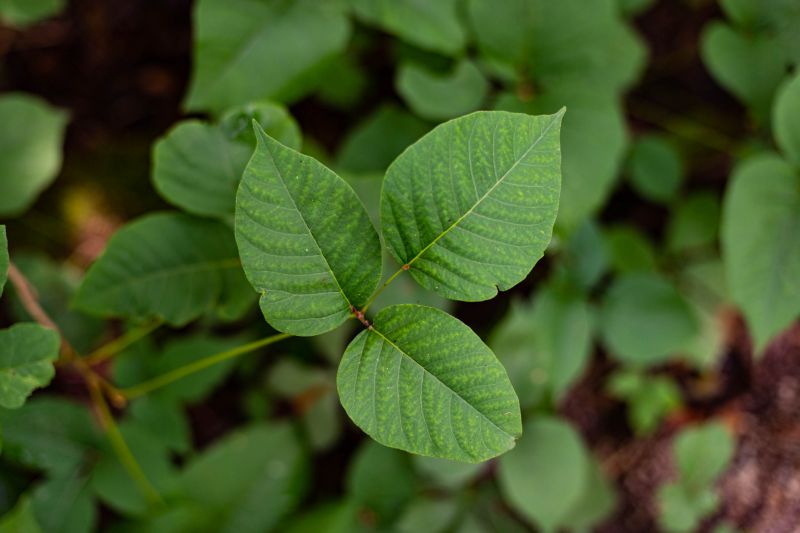
When selecting a contractor for toxic plant removal, it’s important to consider their experience with similar projects. Homeowners should look for service providers who have a proven track record of safely and effectively handling plant removal tasks comparable to the scope of their own property. Asking for examples or references related to past work can help gauge whether a local contractor has the necessary expertise to manage the specific challenges involved in removing toxic or invasive plants safely and thoroughly.
Clear, written expectations are essential to ensure that both parties understand the scope of work and the responsibilities involved. Homeowners should seek service providers who can provide detailed descriptions of their process, including the methods used for removal, disposal procedures, and any necessary follow-up. Having this information in writing helps prevent misunderstandings and provides a reference point throughout the project, fostering transparency and confidence in the contractor’s approach.
Effective communication and reputable references are key indicators of a reliable local service provider. Homeowners should inquire about references from previous clients who had similar projects completed, as these can offer insights into the contractor’s professionalism and dependability. Additionally, choosing a provider who maintains open, responsive communication can make the process smoother and more predictable. It’s important to remember that the site functions as a resource to introduce homeowners to local options-these service providers are responsible for performing the work, not the site itself.
Property owners in Montgomery County, PA use Toxic Plant Removal services for practical projects around their homes and businesses. This guide focuses on everyday jobs and straightforward project options.
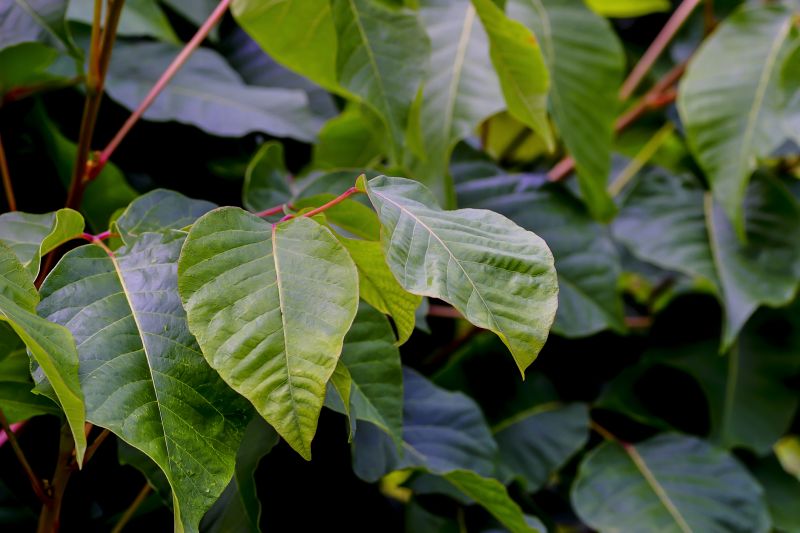
Toxic plant removal services are often needed when property owners in Montgomery County, PA, notice invasive or hazardous plants taking over their yards. Overgrown poison ivy, poison oak, or other dangerous plants can make outdoor spaces unsafe for children, pets, or visitors. Local contractors can help clear these plants to restore safety and improve the overall appearance of residential or commercial properties, especially after noticing increased growth or plant spread that threatens landscaping or outdoor activities.
In addition, property owners may seek toxic plant removal when preparing for outdoor events or renovations. Overgrown or hidden toxic plants can hinder landscaping projects or create unexpected hazards during cleanup efforts. Local service providers can assess the situation and safely remove these plants, helping property owners maintain a clean, safe, and welcoming outdoor environment.
What types of toxic plants can local contractors remove? They can handle a variety of toxic plants such as poison ivy, poison oak, poison sumac, and other hazardous vegetation that may pose health risks.
How do professionals identify toxic plants on my property? Service providers typically assess your landscape visually and may use plant identification guides to determine if plants are toxic.
Are there any precautions to consider before toxic plant removal? It's advisable to keep children and pets away from the area until the removal is completed by the professionals.
What methods do local contractors use to remove toxic plants safely? They often use specialized protective gear, pruning tools, and disposal techniques to ensure safe and effective removal.
Can toxic plant removal help prevent allergic reactions or skin irritations? Yes, removing these plants can reduce the risk of exposure that may cause allergic reactions or skin irritations for residents and visitors.
Yard safety improvements - Removing toxic plants can create a safer outdoor space for children and pets to play freely.
Garden and landscape updates - Clearing harmful vegetation allows for new planting projects or redesigns of garden areas.
Property value enhancement - Eliminating hazardous plants can make a property more appealing to potential buyers or visitors.
Preventing plant spread - Removing invasive toxic plants helps protect neighboring landscapes from unwanted growth.
If you are thinking about Toxic Plant Removal for a property in Montgomery County, PA, this guide is meant to help you understand the work, the typical project types, and how different options might fit your plans.
When you are ready, you can use the quote form on this page to share a few details about your project. From there, local pros can review the basics and respond with options that match what you have in mind.