Get Toxic Plant Removal in Burlington County, NJ
Toxic plant removal services help Burlington County property owners safely eliminate hazardous plants like poison ivy and invasive species, often needed for yard cleanup or property clearing projects.
Property owners in Burlington County, NJ, who are considering landscape improvements or safety enhancements may find it beneficial to explore professional toxic plant removal services. Removing hazardous plants can help prevent potential health risks, protect children and pets, and improve the overall appearance of outdoor spaces. Whether planning a garden update, clearing a neglected area, or addressing specific concerns, understanding the options available from nearby service providers can support a well-informed decision-making process.
Comparing local contractors who specialize in toxic plant removal allows property owners to assess different approaches and expertise tailored to the region's specific landscape needs. Engaging with experienced service providers ensures that the work is handled effectively and safely, helping to maintain a healthy and attractive outdoor environment. Continuing to explore available options can lead to solutions that align with individual property goals and safety considerations.
- Toxic Plant Removal - Needed when invasive or hazardous plants threaten property safety or landscaping in neighborhoods across Burlington County, NJ.
- Hazardous Plant Disposal - Required when toxic plants have become overgrown or pose a risk to children and pets in local yards.
- Invasive Species Clearing - Necessary for controlling aggressive plants that can damage native ecosystems in nearby communities.
- Poisonous Plant Abatement - Needed when toxic plants are spreading into outdoor spaces and creating potential health hazards.
- Plant Hazard Cleanup - Important after storm damage or neglect has caused toxic plants to become a safety concern on residential or commercial properties.
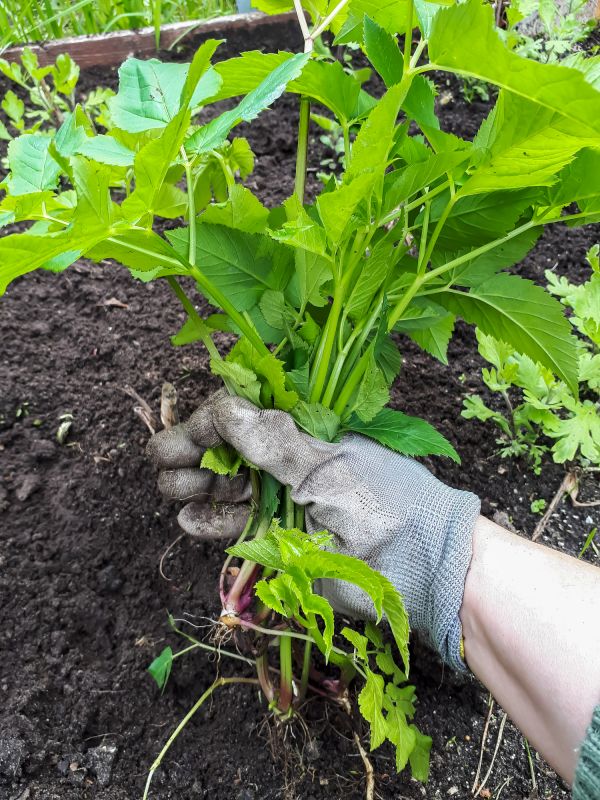
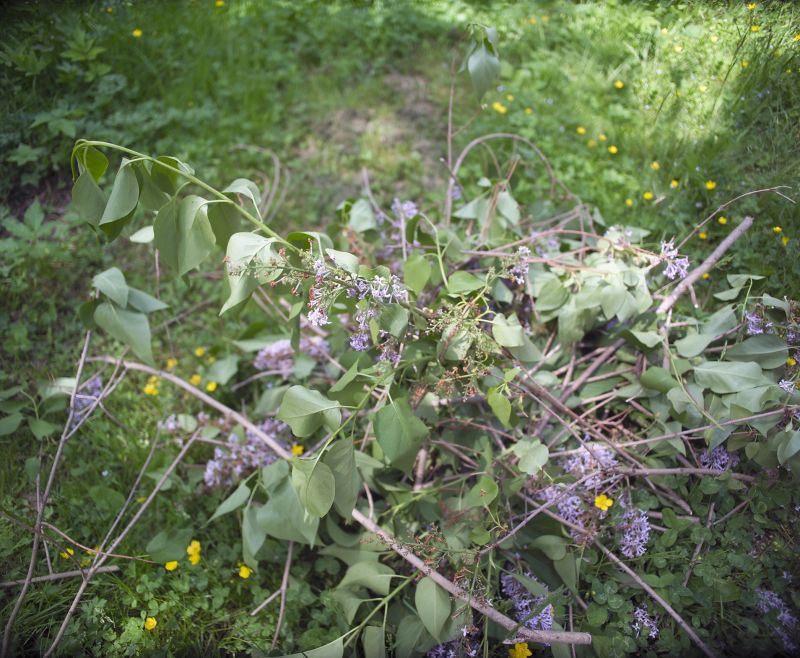
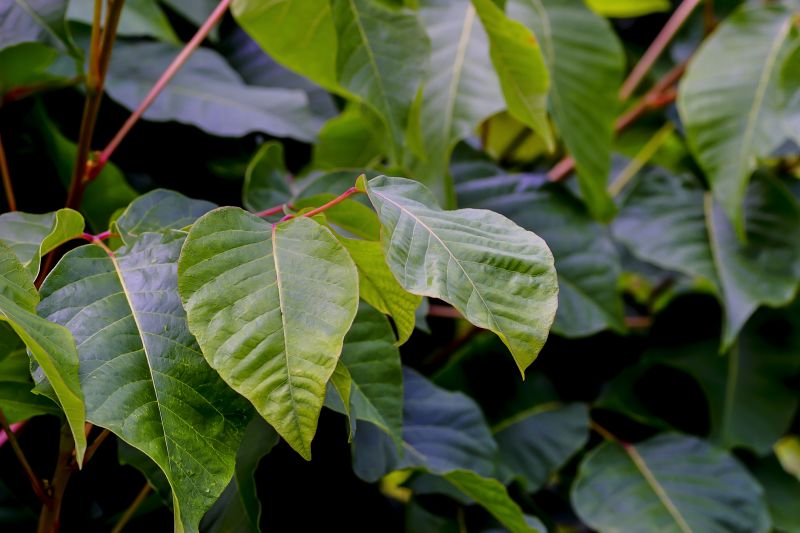
Toxic plant removal services involve the careful identification and safe removal of harmful or invasive plants from residential properties. These services typically include assessing the landscape to determine which plants pose health risks or threaten existing greenery, followed by the precise and safe extraction of these plants. Professionals use specialized tools and techniques to ensure that toxic or invasive species are fully eliminated, preventing them from spreading further and causing additional issues. This process not only improves the safety of the outdoor space but also helps maintain the overall health and appearance of a property’s landscape.
Many problems can be addressed through toxic plant removal. Certain plants, such as poison ivy, poison oak, or other hazardous species, can cause skin irritation, allergic reactions, or more severe health issues if touched or disturbed. Invasive plants, like certain types of ivy or bamboo, can quickly overtake a yard, choking out native plants and reducing biodiversity. Overgrown or unmanaged toxic plants can also pose a safety hazard, especially for children and pets who may unknowingly come into contact with them. Removing these plants proactively can prevent injuries, health problems, and costly landscape overhauls down the line.
Properties that typically use toxic plant removal services include residential homes, especially those with children or pets, as well as properties with established gardens or landscaping that have become overrun with dangerous or invasive species. Larger properties, such as farms or estate grounds, may also require these services to manage extensive areas of unwanted or hazardous plants. In some cases, property owners may seek removal after storm damage or neglect has caused toxic plants to spread or become more prominent. Overall, any property owner who notices unusual or harmful plants in their yard can benefit from consulting experienced local contractors for safe and effective removal.
Choosing to work with local service providers ensures that property owners receive expert assistance tailored to the specific plant challenges of the Burlington County, NJ area. These professionals are familiar with the types of toxic and invasive plants common in the region and understand how to remove them safely and efficiently. Whether it’s a small backyard or a large estate, local contractors can assess the scope of the problem and recommend appropriate removal methods. By addressing these issues promptly, homeowners can enjoy a safer, healthier outdoor environment while preventing future plant-related problems from developing.
The overview below groups typical Toxic Plant Removal projects into broad ranges so you can see how smaller, mid-sized, and larger jobs often compare in Burlington County, NJ.
In many markets, a large share of routine jobs stays in the lower and middle ranges, while only a smaller percentage of projects moves into the highest bands when the work is more complex or site conditions are harder than average.
Small-Scale Removal - typical costs range from $250 to $600 for many routine jobs involving removal of a few toxic plants. Many local contractors handle these smaller projects efficiently within this price band. Fewer projects fall into the higher end unless additional cleanup or disposal is required.
Medium-Sized Projects - these often cost between $600 and $1,500, covering removal of multiple plants or a larger area. Many standard residential jobs fall into this range, with costs increasing based on plant density and site accessibility. Larger or more complex jobs can push beyond this range.
Large or Complex Jobs - projects that involve extensive removal, hazardous material handling, or difficult access may range from $1,500 to $3,500. Many such jobs are in this tier, though fewer reach the highest levels due to increased scope or safety requirements.
Full Site Replacement - complete removal and replacement of contaminated landscaping can exceed $5,000, especially for large properties or commercial sites. These projects are less common and typically involve significant planning and labor by local service providers.
Actual totals will depend on details like access to the work area, the scope of the project, and the materials selected, so use these as general starting points rather than exact figures.
Weed and invasive plant removal - local contractors experienced in clearing unwanted vegetation can handle similar invasive species control projects that require careful planning and specialized tools.
Tree and shrub removal - professionals skilled in safely removing large plants and managing root systems are adept at handling projects involving hazardous or overgrown greenery.
Garden and landscape clearing - service providers capable of clearing overgrown areas and preparing sites for new planting often have skills applicable to removing toxic or unwanted plants.
Stump grinding and removal - experts who remove tree stumps can also manage the removal of deep-rooted toxic plants that require similar excavation and grinding techniques.
Land clearing and site preparation - contractors experienced in preparing land for construction or landscaping often work with vegetation removal projects involving difficult plant types.
Hazardous vegetation removal - local pros familiar with identifying and safely removing dangerous or contaminated plants can handle related toxic plant removal tasks efficiently.
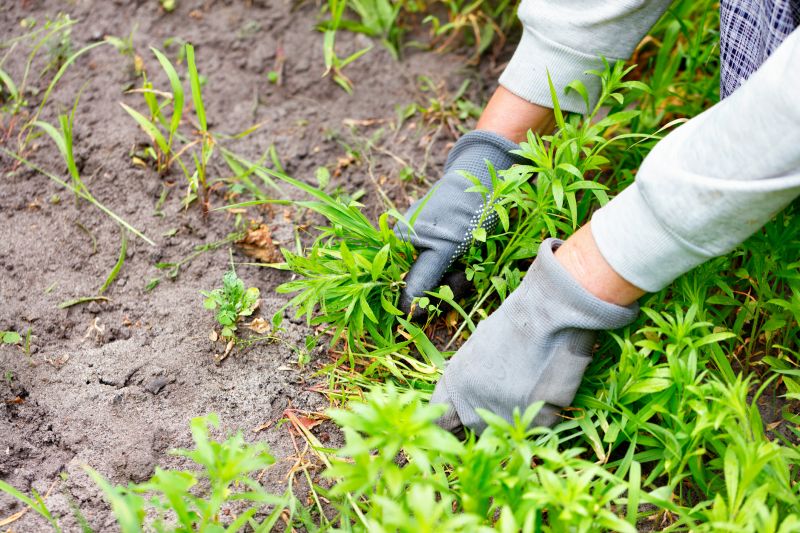
When comparing service providers for toxic plant removal, it’s important to consider their experience with similar projects. Homeowners should inquire about how long a contractor has been working in the field and whether they have handled plant removal jobs comparable in size and complexity. A contractor with a solid track record of completing similar projects can often demonstrate familiarity with the specific challenges involved, ensuring that the work is performed efficiently and effectively. This background can provide added confidence that the selected professional understands the nuances of safely removing toxic plants from residential properties.
Clear, written expectations are a key part of choosing a reliable service provider. Homeowners should look for contractors who provide detailed estimates and scope of work in writing, outlining what will be done, how it will be handled, and any necessary preparations or follow-up. Having this information in a written format helps prevent misunderstandings and ensures that both parties are aligned on the project’s goals. Reputable local contractors will be transparent about their processes and willing to clarify any questions, making it easier to compare options based on the scope and approach of each provider.
Good communication and reputable references are essential when selecting a toxic plant removal specialist. Homeowners should seek out service providers who are responsive to inquiries and willing to share references from past clients who had similar work done. Speaking with previous customers can offer insights into the contractor’s professionalism, reliability, and quality of work. While the site introduces homeowners to local options, it’s important to verify that potential service providers maintain open lines of communication and have a history of satisfied clients, which can be strong indicators of a trustworthy and competent professional capable of handling the project effectively.
Property owners in Burlington County, NJ use Toxic Plant Removal services for practical projects around their homes and businesses. This guide focuses on everyday jobs and straightforward project options.
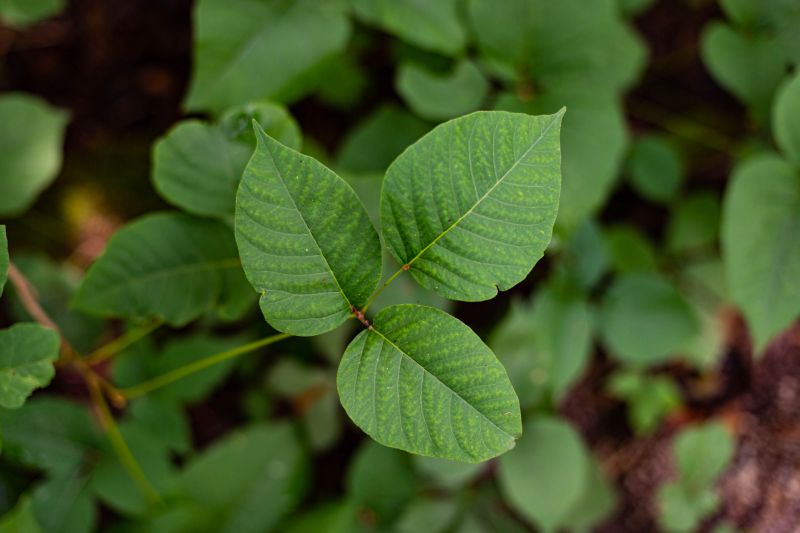
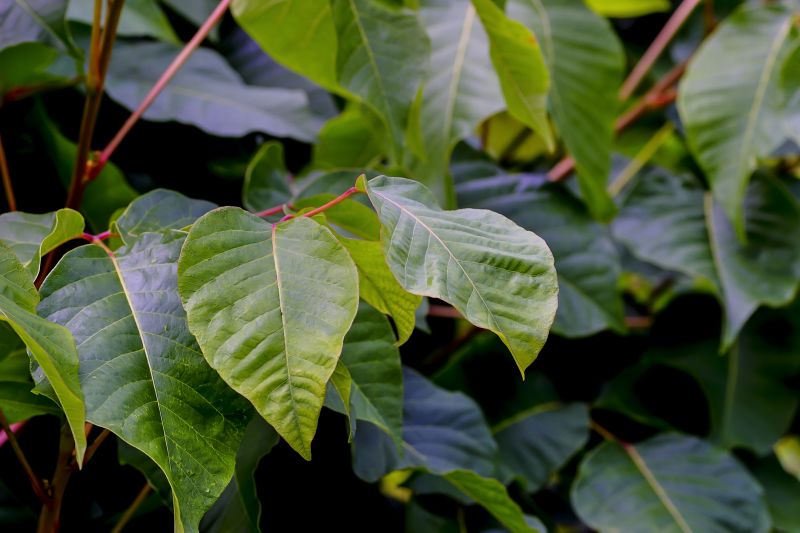
Toxic plant removal services are often sought after by property owners in Burlington County, NJ, who notice hazardous vegetation growing on their land. Overgrown or invasive plants such as poison ivy, poison oak, or other toxic species can pose health risks to residents and pets, especially in yards, gardens, or wooded areas. Homeowners may also need these services when preparing outdoor spaces for seasonal activities or landscaping projects, ensuring that dangerous plants are safely removed before they cause harm or interfere with new plantings.
In addition, property owners might look for local contractors to handle the removal of toxic plants after storm damage or when clearing overgrown brush to improve safety and accessibility. Whether dealing with a neglected backyard or a commercial property with unmanaged vegetation, these services help create safer outdoor environments. Service providers in Burlington County can assist with removing hazardous plants efficiently, making outdoor spaces safer and more enjoyable for families and communities.
What types of toxic plants can local contractors remove? They can handle a variety of hazardous plants such as poison ivy, poison oak, poison sumac, and other invasive or harmful vegetation that may pose health risks.
How do local service providers typically remove toxic plants? They often use specialized tools and techniques to safely eliminate or eradicate toxic plants from yards, gardens, or properties while minimizing risk to surrounding areas.
Are toxic plant removal services suitable for residential properties? Yes, many local contractors offer toxic plant removal for residential properties to help maintain safe and healthy outdoor spaces.
What should be considered before hiring a contractor for toxic plant removal? It’s important to ensure the contractor has experience with hazardous plant removal, uses proper safety procedures, and follows local regulations.
Can toxic plant removal help prevent future plant-related health issues? Yes, removing toxic plants can reduce exposure to skin irritants and allergens, contributing to a safer outdoor environment.
Preventing yard hazards - removing toxic plants can create a safer outdoor space for children and pets to play freely.
Preparing for property sales - clearing toxic vegetation can improve curb appeal and make a home more attractive to potential buyers.
Creating outdoor relaxation areas - removing unwanted toxic plants allows for the development of gardens, patios, or seating zones.
Maintaining landscape health - replacing or removing toxic plants can help ensure the overall vitality and safety of garden spaces.
If you are thinking about Toxic Plant Removal for a property in Burlington County, NJ, this guide is meant to help you understand the work, the typical project types, and how different options might fit your plans.
When you are ready, you can use the quote form on this page to share a few details about your project. From there, local pros can review the basics and respond with options that match what you have in mind.